
 Michele Stueven
Pret A Manger and Dallas Holdings Limited will soon open two new shops in L.A., in Westwood and Studio City on Ventura Boulevard, marking a full-court press expansion into Southern California as part of a wider plan to bring a network of the organic grab-and-go shops to Century City, Hollywood and Beverly Hills over the next few years. The brand already has a small kiosk in the Tom Bradley terminal at LAX.
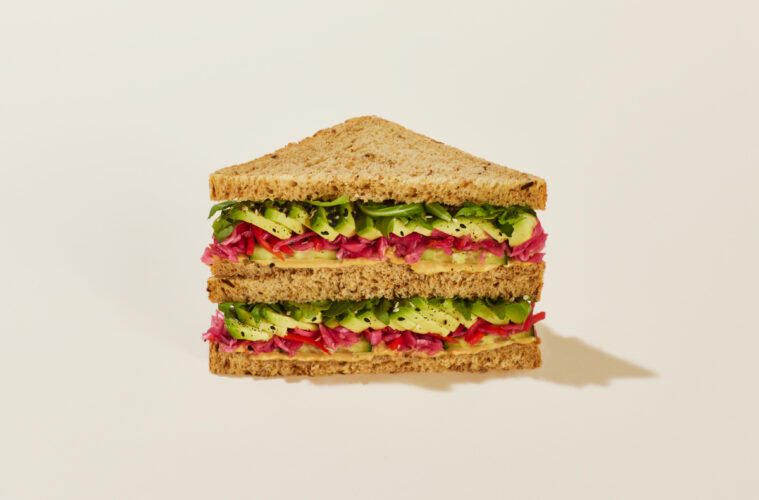
Pret first opened in London in 1986 and has since expanded globally to North America, Europe and Asia. The Westwood and Studio City shops will offer a wide range of freshly made sandwiches, baguettes, salads and soups. Popular options like the spicy chicken Caesar wrap and rainbow veggie sandwich, and a selection of freshly baked goods including Pret’s best-selling croissants and cookies, will be on the menu, its organic coffee, and plenty of clearly marked vegan and vegetarian meal and snack options. The ham and cheese sandwich is Pret’s most popular item worldwide, with different interpretations and cheese choices to fit the city. There also are soups and cottage cheese pots with fruit and granola.

Mediterranean Mezze Salad (Courtesy Pret A Manger)
“We’ve got 400 shops around the world, with 55 in the U.S., and have adjusted to many different cultures along the way,” Pret president Jorrie Buffett tells LA Weekly. “You’ll see when you go into the shops that there are specific nods to LA and we will bring local flavors to the menu. All of the organic produce and milk comes from California.”
The coffee is all organic and 100% arabica and is served alongside a range of organic teas, espresso-based drinks, iced teas and lemonades. Plant-based milks are available at no extra charge and customers can receive a 50-cent discount when they bring a reusable mug for their drink. There’s a colorful line of dragon fruit teas and lemonades, too.
“The store is apt for the California market and different from what you’d find in Manhattan,” says Shane K Thakrar, co-founder of Dallas Holdings Limited, Pret’s franchise partner. “The menu ranges from vegan and vegetarian to fish and fowl, and has healthful choices to appeal to all appetites.”
On Tuesday, May 7, there will be a pre-opening event in the new Westwood flagship space that previously housed Wells Fargo bank, which will begin at 8 a.m. The first 200 customers can enjoy a free breakfast item and organic coffee on a first-come, first-served basis through 10 a.m. The first 200 customers in line between noon and 2 p.m. will receive a free lunch item and a Barista-prepared drink. On opening day, Wednesday, May 8, the first 100 customers will receive a Pret tote bag and tumbler. The celebration will continue all week long with daily promotions including:
- Thursday, May 9 – Free 16 oz. Barista-prepared drink with any purchase between 8 a.m. and 10 a.m.
- Friday, May 10 – Free bakery item with lunch purchase between noon and 2 p.m.
- Saturday, May 11 – Free 16 oz. Barista-prepared drink with any purchase between 8 a.m. and 10 a.m.
The Westwood shop will officially open May 8 at 7 a.m., with Pret’s full range of organic coffee and freshly made food. The shop in Studio City will be a fast follow, opening soon.
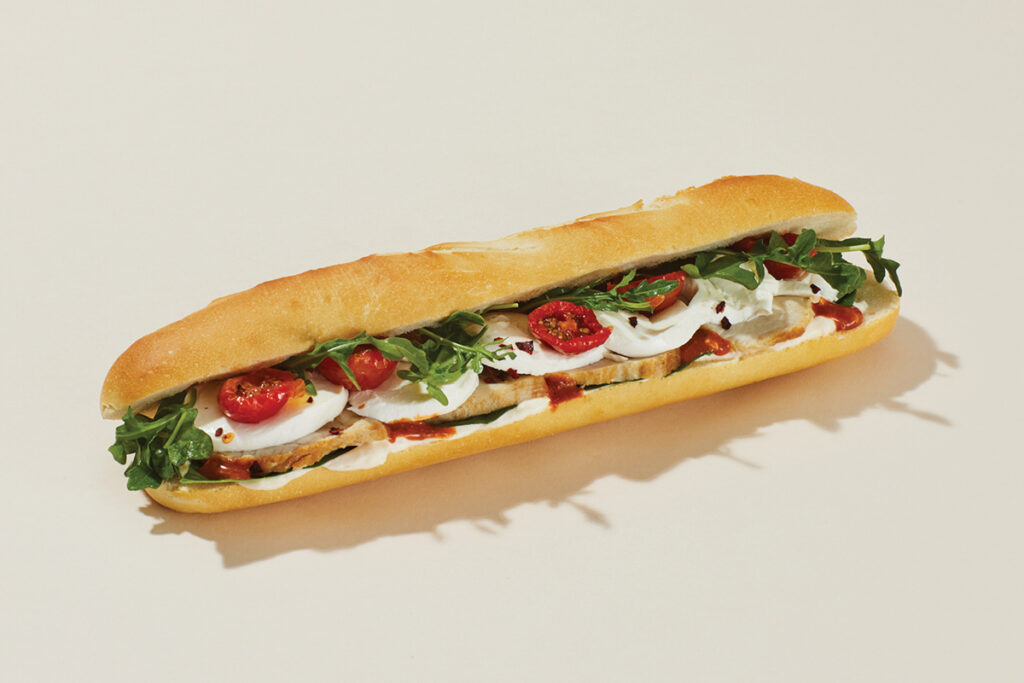
Romesco Chicken Mozzarella Baguette (Courtesy Pret A Manger)
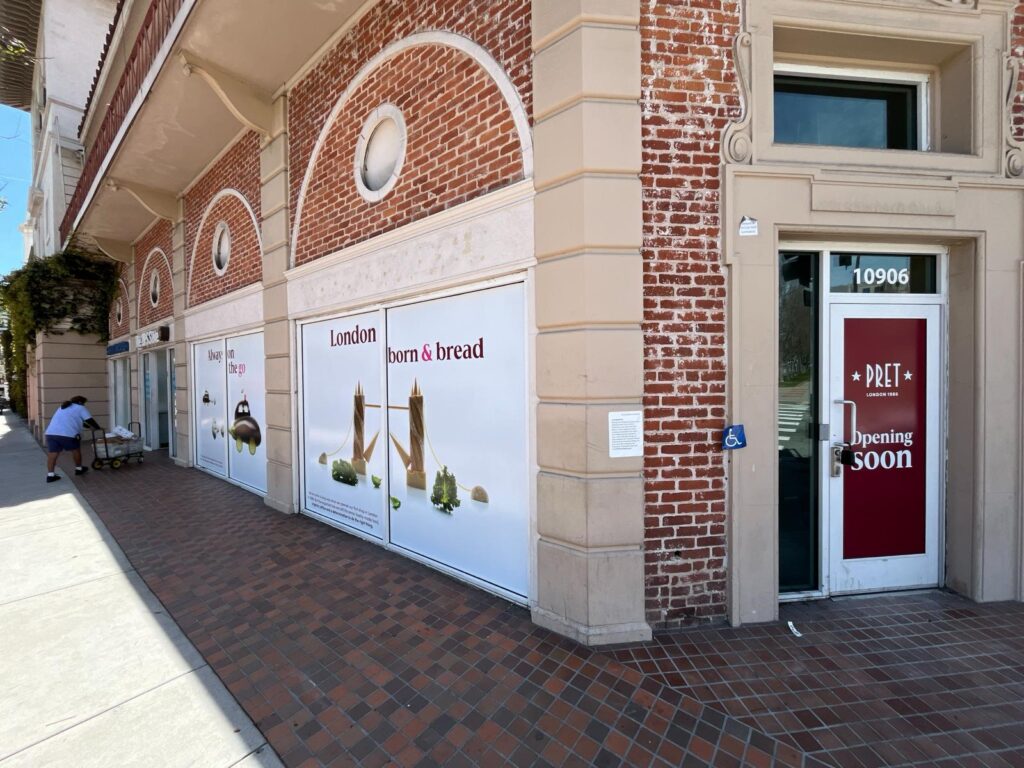
Pret A Manger in Westwood Village
Advertising disclosure: We may receive compensation for some of the links in our stories. Thank you for supporting LA Weekly and our advertisers.