
 Jimi Devine
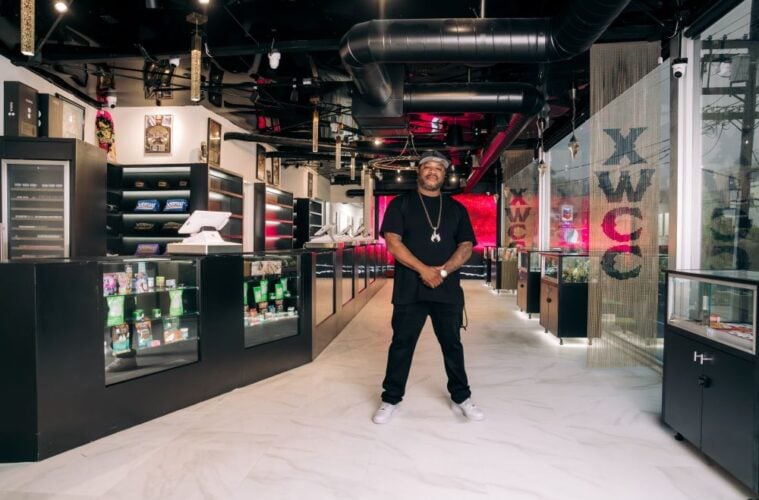
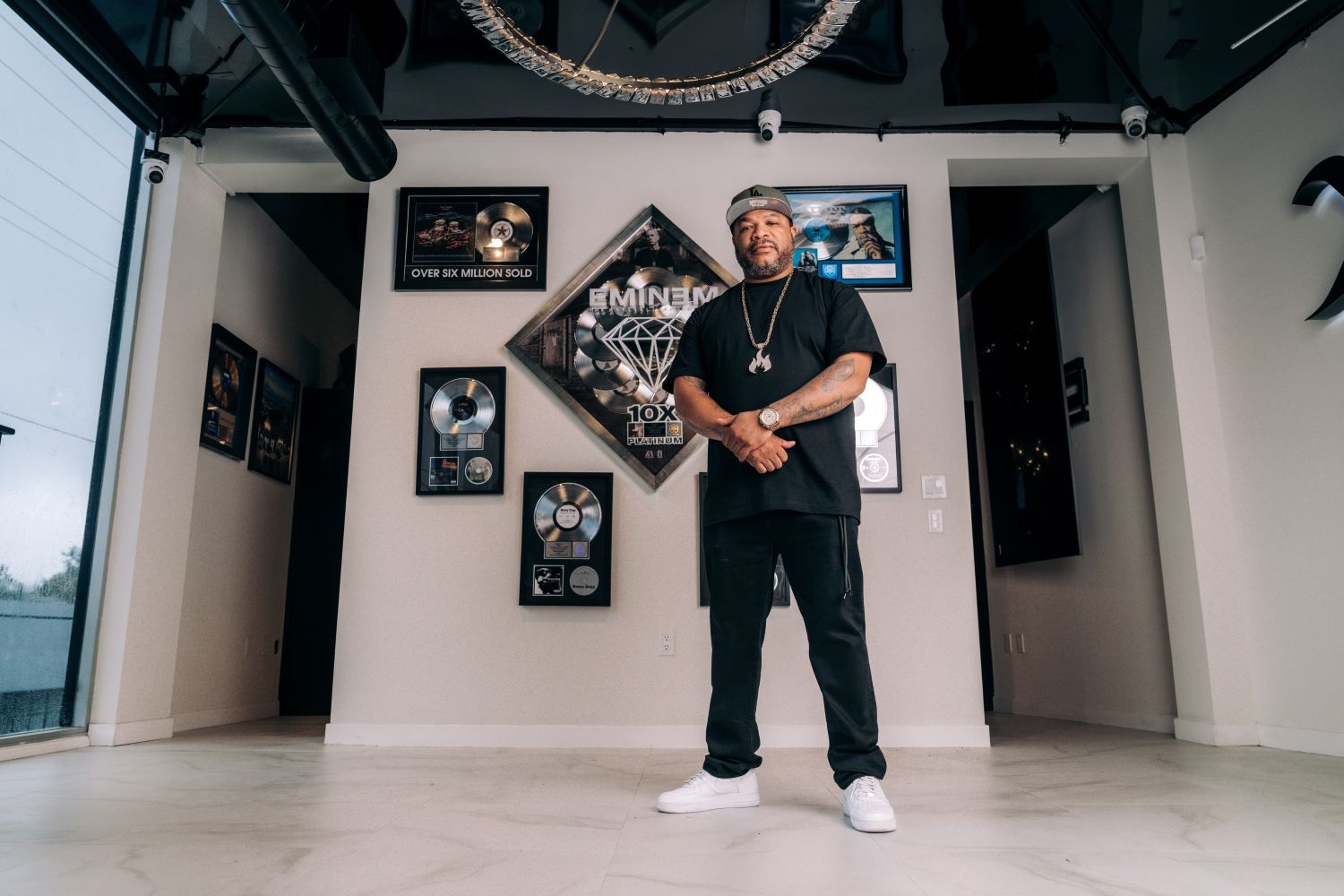
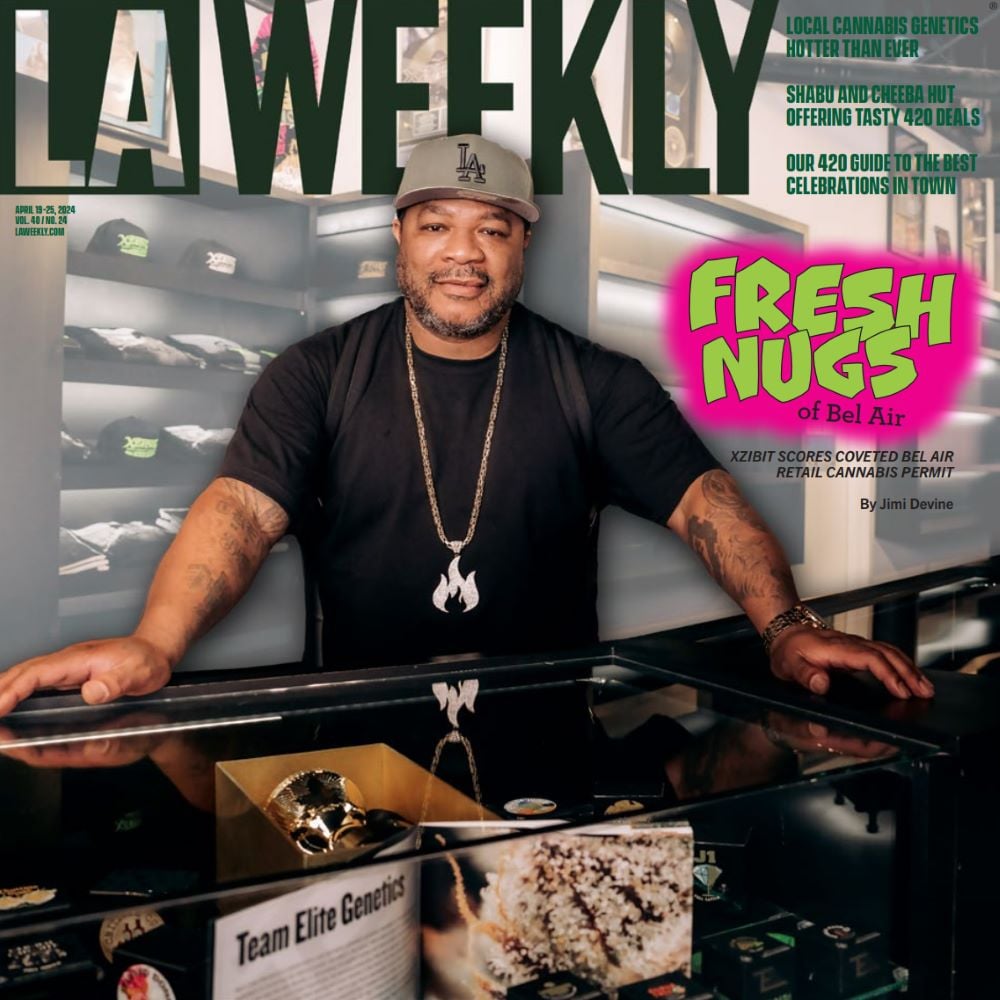
The stars aligned for Xzibit as he celebrated the soft opening of Xzibit’s West Coast Cannabis in Bel Air.
Let’s just start with, thank God.
There is an argument to be made this will end up being one of the most valuable retail sites in Los Angeles and the world when using the zip code standard. That means the higher the median income in a zip code, the more disposable income they have to spend on cannabis for recreational purposes. It’s not an exact science, but it’s not too “out there of a concept,” so I’ve always found it to be a reasonable talking point as dispensaries have moved from the industrial tracts on the edge of town to places like Bel Air, as cannabis continues to get further normalized.
Someone who has spent their whole life participating in cannabis at every level getting that permit and not some douchebag chad is pretty cool.
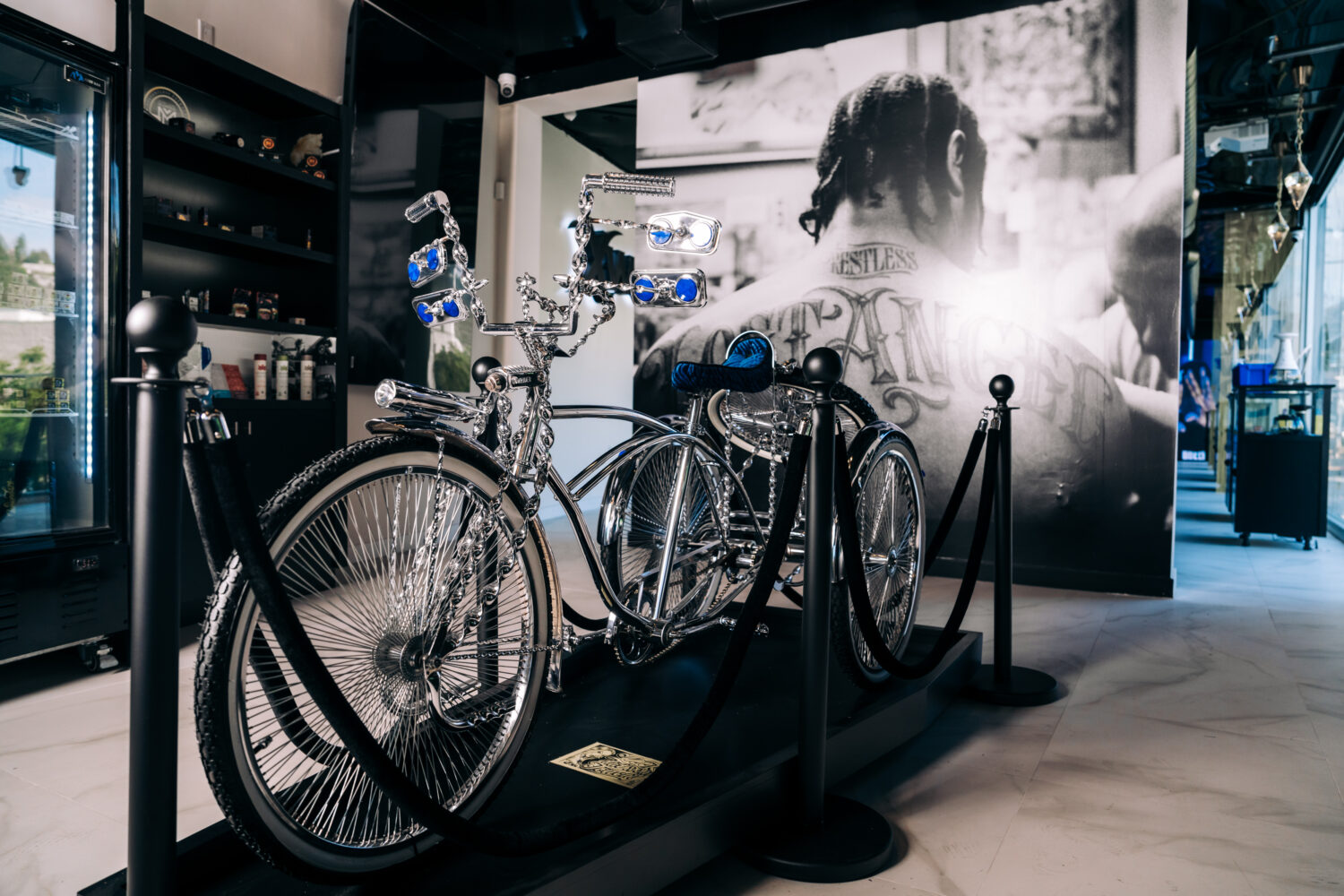
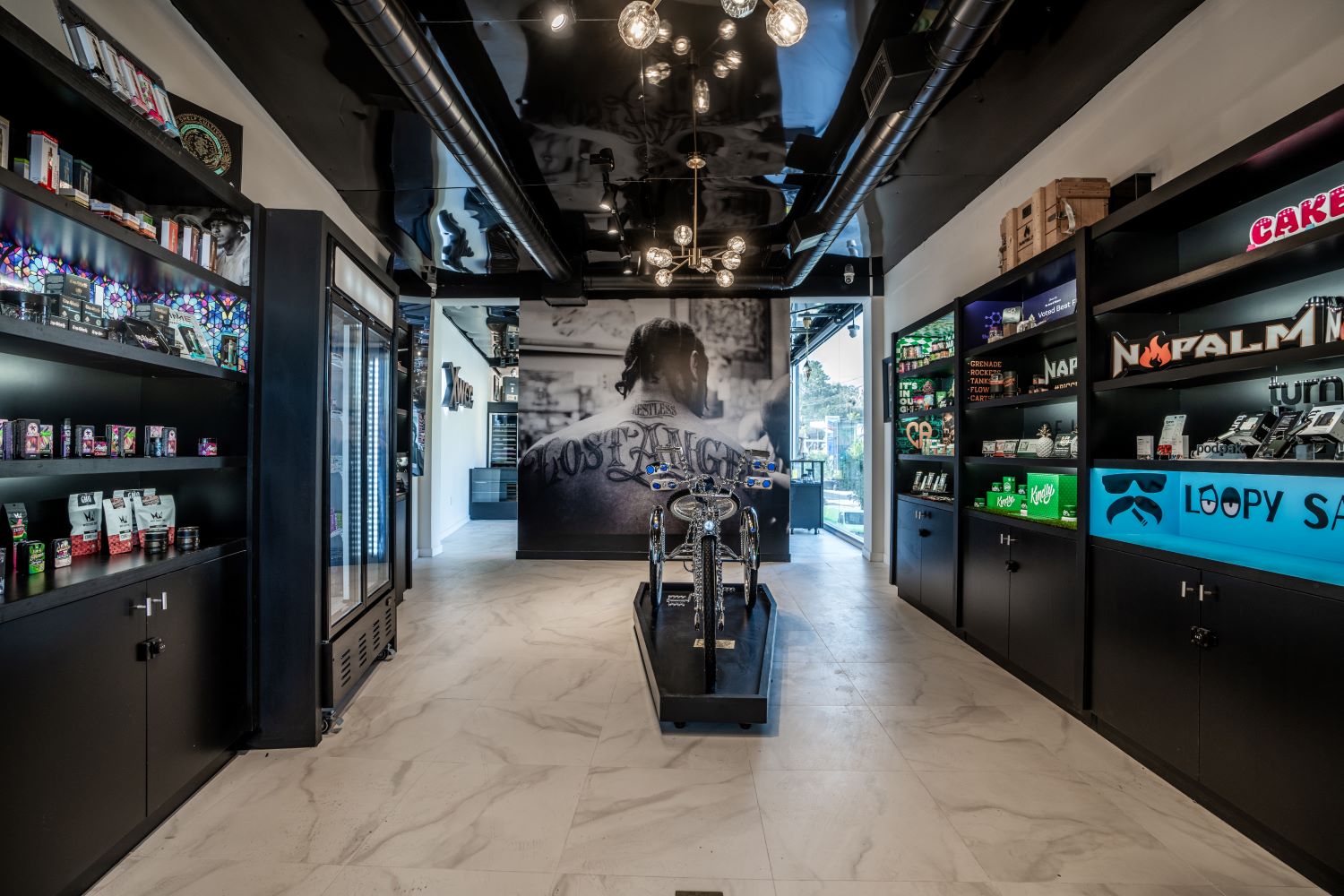
Xzibit is right at the top of the list of famed L.A. cannabis enthusiasts. Apart from being the GOAT custom car show host, he also did the Up in Smoke tour with the only LA rapper more associated with weed in pop culture than him, Snoop Dogg. The bike he rode around the stage on the tour is parked in the middle of the shop.
 It’s easy to understand why the shop’s announcement about its recent soft opening has been getting a solid reception from all, ahead of its official grand opening party later this month, is sure to be a banger given Xzibit’s list of friends.
We chatted with Xzibit last week to get the details on the build-up to him becoming LA’s newest dispensary owner.
“I always knew that retail was going to be a big part of building what I wanted to see in cannabis. And it just came together now with a group I’m working with that also saw the vision,” Xzibit told L.A. Weekly. “And so when this opportunity came up, I thought this is the perfect piece, in the perfect place to launch Xzibit’s West Coast Cannabis Retail.”
Xzibit was quick to remind all his original dealings in cannabis were more branding deals. After initially dipping his toes in the cartridge scene, he pulled back for a few years to game up even further. When he launched his second brand, Napalm, he was able to be a lot more hands-on with the process, just like he was in the studio with the album he named it after.
He felt the Napalm heat metaphor was solid, and given he’d already had an album of the same name, it was an obvious no-brainer. Napalm weathered a quick storm early with some people who weren’t approving of that metaphor for heat being used to describe his flowers, but the clouds settled quickly. Now three years removed from the launch, Napalm can be found in some of the state’s bigger retail chains like Cookies and Stizzy.
Napalm became vertically integrated with its flower production after the successful launch. Xzibit’s new shop serves as the final step in securing his dream of a true West Coast-inspired farm-to-consumer experience. But before he had that final piece of the puzzle, he’d already seen Napalm picked up by the distribution arm of the chocolate powerhouse Kiva.
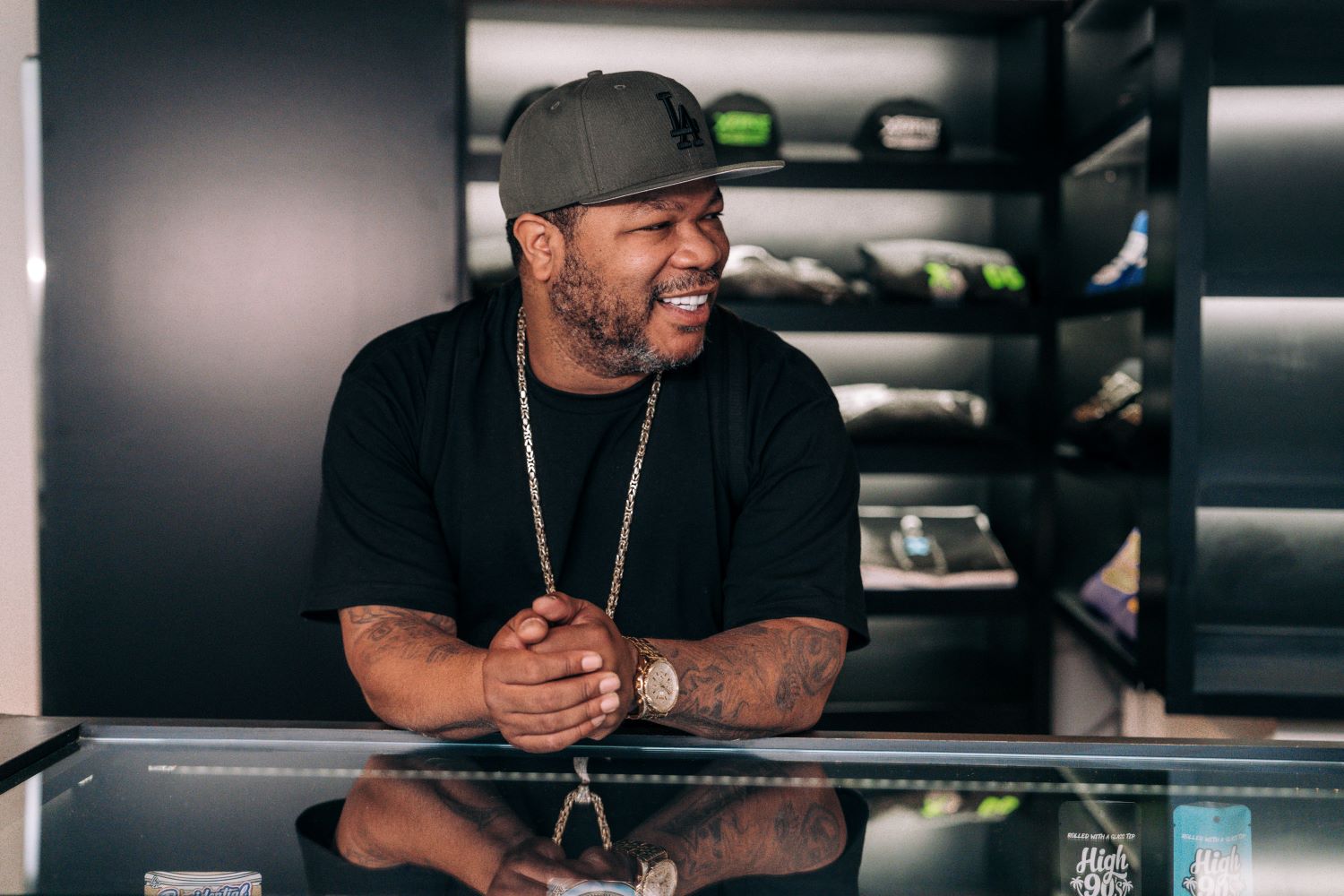
As for what he’s about to do in Bel Air, he has had his hands deep in every part of the process as he hoped to create a Hard Rock Hotel meets West Coast theme ethos for the shop.
“It is crazy and it’s a huge, huge opportunity,” Xzibit said of his prime real estate. “I’m very thankful for the city for working with us and seeing the vision that we had and realizing that we were the perfect fit for this location.”
As with most things in cannabis, these things take a while. But honestly we were pretty surprised when Xzibit said it only took a year to make this happen, given the struggles so many people have had with licensing in Los Angeles.
He further argued the vision is what won Bel Air over.
“This is not the regular dispensary. This is a celebration of the West Coast and everyone in it,” Xzibit explained. “Not just West Coast hip hop. Rap music in itself was a celebration of West Coast culture, our neighborhoods, our beaches, our car culture, our music and entertainment culture is the celebration of everything. Everyone is included.”
Xzibit has had his eyes on California cannabis since the medical era and watched his company survive the culling of recent years, where many companies didn’t make it. He says with everything he has witnessed from overtaxation to too many regulations, he truly believes people are now starting to see the benefits of the plant, after so many people gave so much time and energy to get us here.
Xzibit argues the further we can normalize the medicinal aspects of cannabis, the better off we’ll be. But reminding people they won’t end up in a cage anymore is important too, given how many people had lived under prohibition for most of their lives
“Like being able to understand that they won’t get in difficulty or legal troubles for having access to the plant,” Xzibit said.
We asked Xzibit if he agrees with some assessments that California has seen the worst of it over the past few years. The survivors left are mostly in a holding pattern waiting for access to wider markets.
“I do think it is a fair assessment,” Xzibit replied. ”I do think that the people that are still holding on doing things correctly here in the state of California are the winners. They’re the ones that are going to have the outstanding brands that stand the test of time.”
He pointed to the alcohol companies that survived prohibition as an inspiration. He found Jim Beam, a company founded in 1795, to be an excellent example.
“These 150-year-old brands that survived the ups and downs and topsy turvy of what was happening at the moment and now they’re still here to this day,” Xzibit said. “So I look to that for inspiration. And I look for, you know, the same kind of fairness and a calmness of regulations once things get into the future.”
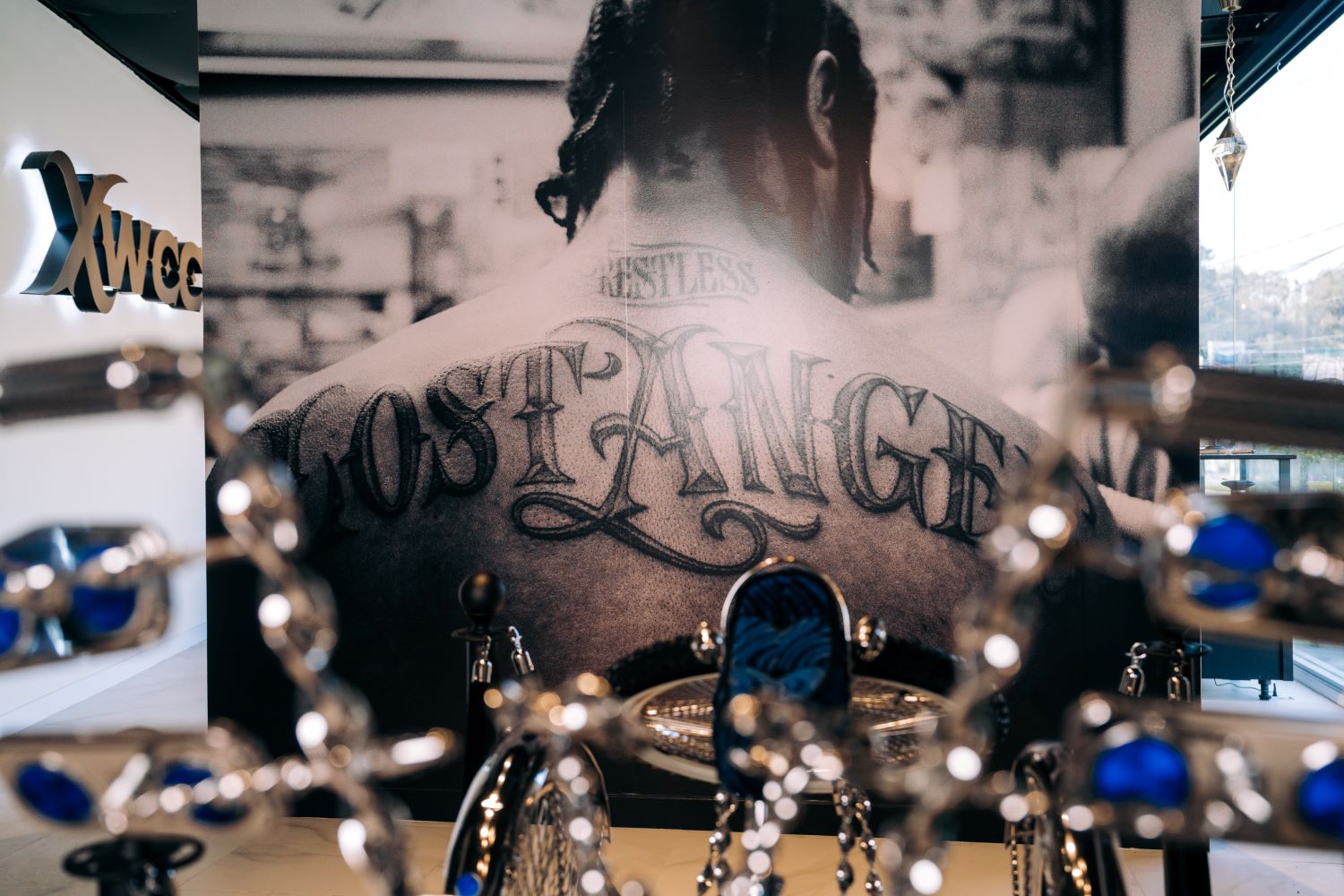
Xzibit went on to speak to the impact cannabis has on spreading West Coast culture as a whole. Many would argue rap and cannabis are two of the biggest drivers of the love for California culture abroad.
“So just like the produce that comes out of California is preferred, it’d be the same thing with the cannabis,” Xzibit said.
Now all his focus is looking toward April 28, the day of the shop’s official grand opening. When asked what the first lesson he’s learned so far as a cannabis retailer, Xzibit laughed and said make sure you have parking.
We asked Xzibit what he is smoking besides Napalm these days. He was quick to point to Ted’s Bud Co., Connected, and 710 as some of his favorites before putting LA locals Originals on that list, too.
Xzibit’s West Coast Cannabis is now open at 641 N. Sepulveda Blvd. Delivery and curbside pickup are both available. The shop is open from 10 a.m. to 10 p.m., every day. They’re about 100 Google reviews in, and people seem to be loving it.
One reviewer noted, “Beautiful store, wow Xzibit!! The budtenders know their stuff, and it just feels cool to be in the place and talk cannabis with friendly people. Highly recommend, easy to access off the 405 and jump right back on. You have to see the shop for yourself to truly experience a game changer in the culture. Best of luck to the team, welcome to the neighborhood.”
Advertising disclosure: We may receive compensation for some of the links in our stories. Thank you for supporting LA Weekly and our advertisers.