
 Jasmine Ramer
There’s this lovely trend called virtual tourism that is sweeping the internet lately, and we’ve been taking that one step further. We’re also exploring amazing sites from around the world, but we’ve decided to focus on the porn rather than nature. That’s because if you haven’t discovered how insanely hot the Pinay Onlyfans models are, you’ve been seriously missing out!
We’ve ventured to bring you the best Filipina Onlyfans stars from around the globe – as long as they’ve descended directly from the Philippines, they could be on the list. We know you’re going to love these amazing babes. They’re bright, beautiful, salacious, and sexy like no other women in the world. Each creator is vastly different from one another, but there’s a spark and a passion that each brings to their content that stands out above the rest. So without further ado, we’re very pleased to showcase to you the top Pinay Onlyfans of 2024!
Best Pinay OnlyFans: Featured This Month
Best Pinay OnlyFans Models Accounts of 2024
- Chloe – Your Petite Pinay Pixie
- Jerrica Bento – Short & Sweet
- Nymph69 – Champion at Taking It
- Manila Bae – Sexiest Outfits
- Sofie Gostosa – Best Barely Legal Babe
- Filipina Princess – Best Tits
- Sofia Silk – Best Free Account
- Leilani Angel – Your Best Asian Fantasy
- The Sexy Filipina – Best Public Play
- Mae Kulit – Best Daily Posts
Best 10 Pinay OnlyFans Models
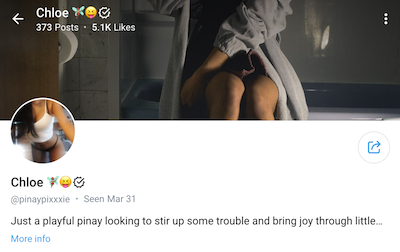
#1. Chloe – Your Petite Pinay Pixie
Features:
- Over 5,000 Likes
- Subscription Bundles
- Over 350 Posts
Where to Follow:
- Onlyfans: @pinaypixxxie
- Reddit: https://www.reddit.com/user/pinaypixxxie/
About Chloe:
Chloe is a playful Pinay Onlyfans pixie looking to brighten your day and stir up some trouble all at the same time. This adorable and sexy little angel loves to do this through a bunch of alluring photos and videos designed to make your heart skip a beat. If you’re looking for something specific, shoot her a message and she’ll happily help you out.
If you’re not exactly sure what you’re looking for, her various posts will drive you into a frenzy alone. She also offers customs, where you can see her topless, fully nude, watch her put on a strip-show, or masturbate. If you want to do a video call, she’s open to that as well. Check out how Chloe seamlessly weaves together her cuteness and her sexual desires into one attractive package.
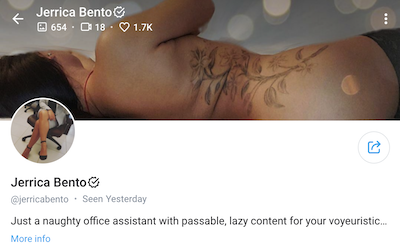
#2. Jerrica Bento – Short & Sweet
Features:
- Over 1,700 Likes
- Over 650 Photos
- Free Account
Where to Follow:
- Onlyfans: @jerricabento
About Jerrica Bento:
Jerrica Bento is a naughty office assistant who loves to post voyeuristic content for your pervy pleasure. She is a short bawdy babe at 4’10, but oozes sexy out of every pore of her body. This fun-sized hot mess describes her content as “mermaid,” meaning very wet, and peachy, which you can figure out on your own. Juicy!
This only fans Pinay bombshell is open to fetish content, and always around to take custom orders. She had been taking a break from the site, and is looking for an excuse to come back online, and some friendly attention would be just the encouragement she needs. This hottie is worth the effort, and her account is totally free, so pop in and say hi!
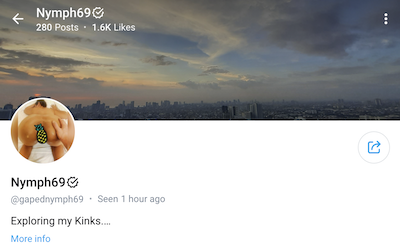
#3. Nymph69 – Champion at Taking It
Features:
- Over 1,600 Likes
- Nearly 300 Posts
- Subscription Bundle
Where to Follow:
- Onlyfans: @gapednymph69
About Nymph69:
Nymph69 is a naughty little Filipina only fans star with a serious talent and a specific kink unlike anyone else on this list. Her URL says it all – she’s not just the nymph, she’s the gaped nymph. She loves to get banged with huge toys, and then showcase her gaping holes to the world – if she happens to be a sticky mess afterwards, well, even better.
Nymph69 is pretty hush-hush on her Onlyfans page, but she links to her Fetlife profile – a sort of Facebook for kinky people – where she’s very crystal clear what she’s into. If you want to see a gaping hottie showing off, then Nymph is perfect for you. Her Onlyfans account comes at a great bargain, and you can make that price even better by purchasing a multiple-month subscription bundle.
#4. Manila Bae – Sexiest Outfits
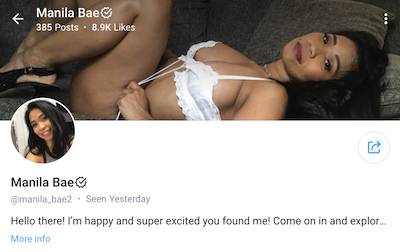
Features:
- Over 8,000 Likes
- Nearly 400 Posts
- MILF
Where to Follow:
- Onlyfans: @manila_bae2
- Instagram: @manila_bae
- Twitter: @manila_bae2
About Manila Bae:
Manila Bae is very excited to bring you into her intimate, sensual world of amazing pleasures and delights. She’s super excited you found her, and she can’t wait to put on a show for you. This MILF Filipino only fans star likes to start with a simple tease, then move into the jaw-dropping, eye-popping nude experiences that she’s certain won’t disappoint.
Manila Bae is a full-time mother and maintains a steady paycheck, so she may not be able to respond to your DMs right away, but she’s going to make a point of it as soon as she’s able. She loves sexting, showing off her perfect tits in a striptease, creating candid camera footage, providing JOI, and offering dick rates. She does customs, and will sell clothing, so pop in and find out what Manila Bae is all about!
#5. Sofie Gostosa – Best Barely Legal Babe
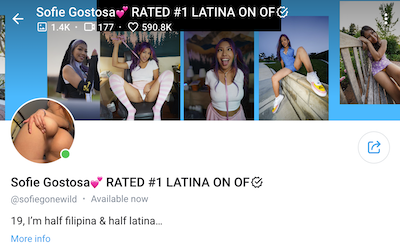
Features:
- Over 585,000 Likes
- Nearly 200 Videos
- Over 1,400 Photos
Where to Follow:
- Onlyfans: @sofiegonewild
- Twitter: @sofiegostosa
- Reddit: https://www.reddit.com/user/Fueledbystoners/
About Sofie Gostosa:
Sofie Gostosa is your half Filipina, half Latina, 100% gorgeous 19-year-old babe on Onlyfans. She works out daily, dyes her hair fun colors, and loves to get extreme on her feed. She does it all – guy on girl fucking w/ facials, girl on girl, threesomes and foursomes, orgies, solo play, squirting, anal, and more.
If you don’t see your favorite play on the list, she’s also fetish friendly, takes custom requests, offers dick rates, and personally answers each and every message. She sends even naughtier content to rebillers, and provides extra rewards occasionally if you sign up for a long-term subscription bundle. Sofie is the gift that keeps on giving.
#6. Filipina Princess – Best Tits
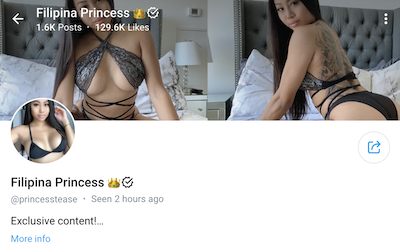
Features:
- Over 129,000 Likes
- 1,600 Posts
- Subscription Bundles
Where to Follow:
- Onlyfans: @princesstease
- Free Onlyfans: @princesstease2
About the Filipina Princess:
The Filipina Princess is a gorgeous bombshell with a stunning tattoo along her back, long black hair, and an hourglass figure that won’t quit. Oh yeah, and she’s got these stunning tits that are impossible to look away from. She says it herself – if you love Filipina Onlyfans stars with big tits, then you might as well subscribe, because there’s none better.
When you subscribe, you’ll of course gain access to all of the Filipina Princess’ exclusive content, and she’ll make a point to answer every DM that finds her inbox. On top of that, if you opt for one of her long-term subscription bundles, she’ll through in her premium Snapchat as a bonus. That’s at least two amazing reasons to give her a follow – what more did you need?
#7. Sofia Silk – Best Free Account
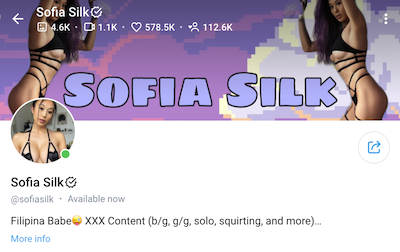
Features:
- Over 569,000 Likes
- 4,500 Photos and Rising
- Over 1,000 Videos
Where to Follow:
- Onlyfans: @sofiasilk
- Instagram: @ms.sofiasilk
- Twitter: @sofiasilk
- Tik Tok: @sofiasilkofficial
- Reddit: https://www.reddit.com/user/RubyeRuss/
About Sofia Silk:
Sofia Silk is a Pinay Onlyfans knockout with amazing tits, long limbs, and a bright smile that will bring joy to your day. This gorgeous social media star has exclusive XXX content to share with you, including guy on girl, girl on girl, solo play, squirting, and a lot more. If there’s something you don’t see on the list, just ask her!
Sofia is always happy to chat, and she has a tip menu for extra treats, or you can even order your own personal custom goodies. This stunning lover aims to please, and when she is involved, there’s no way you’re walking away disappointed. You can subscribe to her account for free, so be sure to find out what she’s all about.
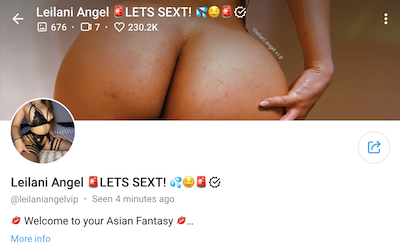
#8. Leilani Angel – Your Best Asian Fantasy
Features:
- Over 224,000 Likes
- Over 600 Photos
- Free Account
Where to Follow:
- Onlyfans: @leilaniangelvip
- Twitter: @leilaniangelvip
- Instagram: @hiyoufoundleilani
About Leilani Angel:
Leilani Angel is your ultimate Asian fantasy, and to prove this, she provides one of the best one-on-one experiences you can find, all on her Filipino Onlyfans account. She uploads daily, loves to sext, and is happy to create custom content that includes photos, videos, and even voice notes. If you want to purchase her used panties, she’s ready for you.
Leilani’s content includes roleplay, guy on girl, interracial content, cum play, creampies, dick rates, and foot fetish fun. This horny little angel’s account is completely free to follow, so if by now you’re wondering what the catch is – there isn’t one! Go see what Leilani Angel can do for you if you’re looking for an orgasmic time.
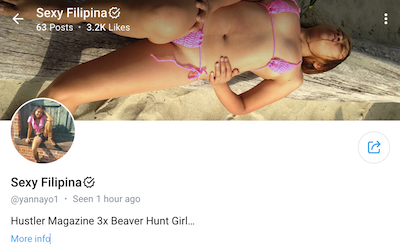
#9. The Sexy Filipina – Best Public Play
Features:
- Over 3,000 Likes
- Fetish Friendly
- Award Winning
Where to Follow:
- Onlyfans: @yannayo1
About the Sexy Filipina:
The Sexy Filipina is an award-winning knockout and Pinay only fans star. She won the Hustler Magazine Beaver Hunt Girl award in June 2015, June 2017, and February 2021. She’s only 4’6, has a 32A cup, and is completely shaven.
This bisexual bawdy babe is constantly craving BBC, and loves to play outdoors specifically. Any chance for her to show off some public nudity, or get banged in nature is a great day for her. She’s also the content creator to follow if you’re into golden showers. She’ll sell you used panties, and she really just loves sex, and is always happy to film some for you.
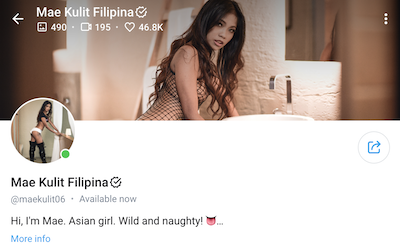
#10. Mae Kulit – Best Daily Posts
Features:
- Over 45,000 Likes
- Nearly 500 Photos
- Over 150 Videos
Where to Follow:
- Onlyfans: @maekulit06
- Free Onlyfans: @maekulit06free
- Instagram: @filipina_maekulit
- Facebook: https://www.facebook.com/maekulit23
- Personal Site: https://maekulit.com/
About Mae Kulit:
Mae is a wild and naughty Asian girl whose sole wish is that you dream about her and jerk off before you fall asleep each night. She’s going to get that wish, because she is smoking hot, and an absolutely salacious little babe when it comes to the bedroom. This Onlyfans Pinay model is going to knock your socks off.
Mae uploads daily content, and ensures she’s available for messages all throughout the day. She has to sleep sometime, so be patient if she’s slow to respond. She loves custom requests, as it gives her a chance to exercise her creativity, whether they be photos, audio messages, or videos. She is always happy to provide a dick rate, and is excited to hear what ideas and suggestions you want to share with her. Be sure to check out Mae today!
Best Pinay Onlyfans FAQ’s
Who are the best Pinay Onlyfans stars today?
When you want the best Pinay Onlyfans stars, this is the best place to find them. Check out the list for details on all these amazing beauties, or keep reading right here for a quick rundown. Our favorite Pinay Onlyfans babes are Chloe, Jerrica Bento, and Nymph69, who are all outstanding at what they do. Manila Bae and Sofie Gostosa shouldn’t be missed.
The list doesn’t stop there, we also feature the Filipina Princess, Sofia Silk, and Leilani Angel for all your Pinay Onlyfans needs. You’ll want to save some of that lustful energy for The Sexy Filipina and Mae Kulit, who are also bringing the spice like few others can.
What do the top Pinay Onlyfans creators make?
All our numbers here are rather generic, so take them with a grain of salt, but they are based on what little reporting Onlyfans has given us regarding their creator’s earnings. Any creator who’s in the top 1% of the site’s roster is making anywhere close to $10,000 monthly and upward. The sky’s the limit for the top creators.
The top 10% is pulling in thousands each month – possibly enough to make a comfortable living, while everyone else could be making anything from a couple hundred to a couple thousand bucks each month. It can be good money, if you don’t mind showing up to work naked!
Which of the best Onlyfans Pinay creators shouldn’t be missed?
Each of these amazing Pinay Onlyfans babes is 100% worth checking out. Chloe, for example, is the petite Pinay pixie that came straight out of most people’s naughtiest fantasies to perform every sexual whim that enters her head. Jerrica Bento is short, sweet, and delicious to eat. The Nymph69 can take a thick one like few others can, while Manila Bae knows how to dress to impress. For a barely legal babe, take a close look at Sofia Gostosa.
The Filipina Princess has the best tits in the business, and for a free account that will blow your mind, check out Sofia Silk. Leilani Angel is determined to be your Asian fantasy dream girl, and the Sexy Filipina loves to play in public. For some steamy daily posts, be sure to catch Mae Kulit.
How do I grow my own Pinay Onlyfans account?
The best way to grow your own account is to start with the basics. You should have a great cover and profile pic, and a description about who you are and what content you’ll offer. This is pretty important – how else will fans trust that they’re in for a good time?
From there, you’ll want to ensure you have some social media accounts that connect to your Onlyfans. Try posting in places where fans are craving hot content, such as Reddit. There’s numerous subreddits that allow Onlyfans creators to promote themselves, and that’s where you’re going to want to be.
How will I be paid for my Pinay Onlyfans account?
Getting paid via Onlyfans is pretty simple. All you have to do is tap a button, and the money will be transferred to your personal bank account. You can even set up the system to transfer the money automatically each month. Pretty sweet, right?
The banks do take up to three to five days to transfer the funds, but you can’t blame Onlyfans for that (or at least you shouldn’t, because it’s not their fault). If you’re brand new, you’ll have to make over a certain threshold before you can take the money out, but it’s a small threshold to overcome, so don’t worry.
What mistakes can I avoid while running my Pinay Onlyfans account?
The worst thing you can do is not create content regularly for your fans. This is the most difficult when starting anything new, but you can do it with some effort. Set up a schedule where you’ll film something fun and flirty, then get it online. Do this regularly, and you’re already set up for success.
The next biggest mistake is that creators don’t talk about themselves on their profile page. Have a write-up, or get your friend to write one for you. You need that to entice fans into your world. Then, the final big mistake creators make is they fail to market themselves. Check out various subreddits where your potential fans are craving content like yours, and throw yourself literally out there.
Conclusion
We hope you loved these amazing Onlyfans Filipina ladies as much as we did! If you haven’t had a chance to really take a good look at them, make sure you do so. You don’t want to miss out on some of the most erotic shows of your life, especially when they’re just a simple click away. These ladies know how to put on a show, they love to interact with their fans in intimate ways, and they know how to fulfill a fantasy like nothing else.
While these Filipino Onlyfans stars are the best, the competition is tough out there. There were so many amazing creators to consider, and this is merely the tip of the iceberg. There’s so many more amazing creators vying to show you their skills, but we couldn’t feature them all, or you’d be here all year. While you check out these horny hotties, we’ll continue to research for our next batch of the best Onlyfans Pinay babes from around the globe!
Also Read:
- Best Teen OnlyFans
- Best Porn Onlyfans
- Top Gay Onlyfans
- Hottest Onlyfans Girls
- Best Tiktokers Onlyfans
- Best Blowjob Onlyfans
- Best Lesbian Onlyfans
- Best Midget Onlyfans
- Best Cuckold Onlyfans
- Best Youtubers Onlyfans
- Best Squirting Onlyfans
- Best Free Nude Onlyfans
- Best Femboys Onlyfans
- Best Onlyfans Threesomes
- Best Instagram Onlyfans
- Best Busty Onlyfans
- Best Big Ass Onlyfans
- Best Pegging Onlyfans
Advertising disclosure: We may receive compensation for some of the links in our stories. Thank you for supporting LA Weekly and our advertisers.